Book a Tour
Ready to experience the wonders of Peru? Get in touch, and we’ll help you plan the adventure of a lifetime!
Ready to experience the wonders of Peru? Get in touch, and we’ll help you plan the adventure of a lifetime!
Email Consent Notice
By checking the box, you consent to PeruVisit.com collecting and processing your email address for the purpose of sending newsletters, promotional offers, and information about tours in Peru.
You acknowledge and understand that:
For full details on how we manage personal data, please refer to our Privacy Policy.

Money is one of those details many travelers plan to figure out later. After all, cards are common, phones work, ATMs exist — so it feels safe to decide on the spot.
In Peru, that assumption often leads to small but avoidable stress. Not because the system is broken, but because it doesn’t always work the way people expect.
Cards in Peru: Reliable, But Not Universal
In Lima, paying by card is easy. Hotels, restaurants, cafés, malls — card machines are everywhere, and they usually work. This creates the impression that cash is optional.
Once you leave the capital, that impression changes quickly.
In smaller towns, local cafés, markets, taxis, guesthouses, and family-run shops often rely on cash. Sometimes a card terminal exists but “isn’t working today.” Sometimes there’s no terminal at all.
Travelers often say:
“Everything worked in Lima, and then suddenly no one accepted cards.”
“We thought cards would be enough, and ended up hunting for an ATM at night.”
ATMs: Available, But Not Always Convenient
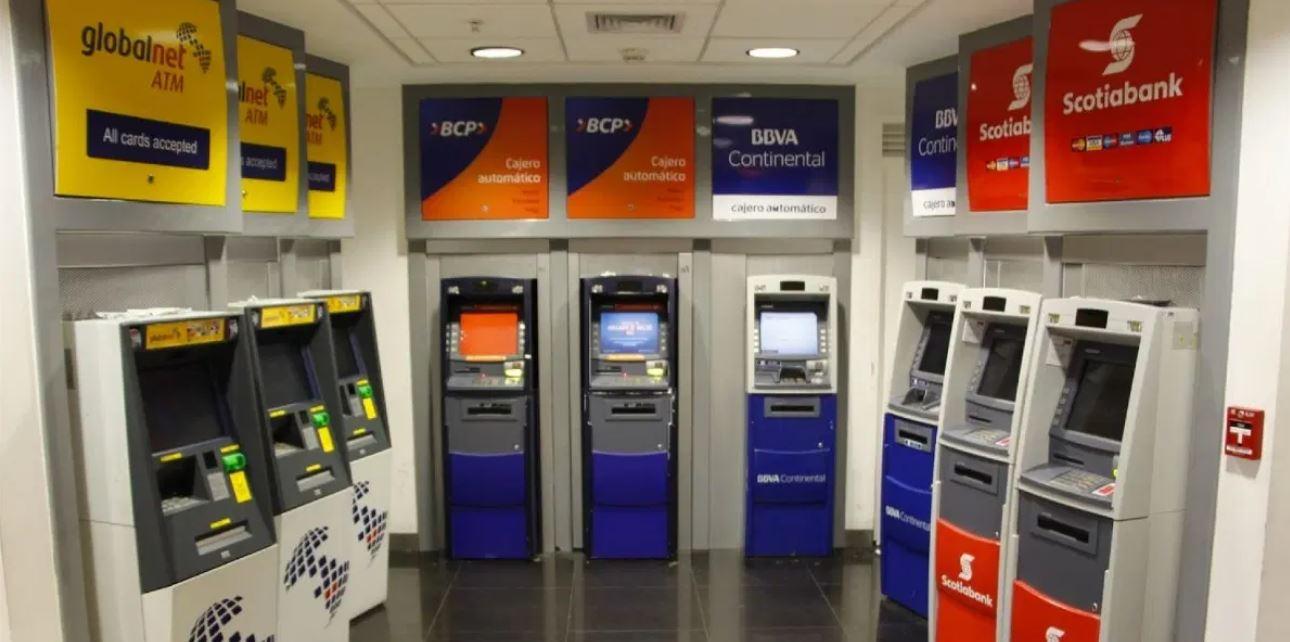
Yes, there are ATMs across the country. But they’re not all the same.
This becomes more obvious outside large cities. Relying on a single card, or assuming you’ll always find a working ATM, adds unnecessary risk.
The best approach?
Bring two cards from different banks, and carry a reasonable amount of cash as backup.
Cash in Peru: Soles, Dollars, and What Works
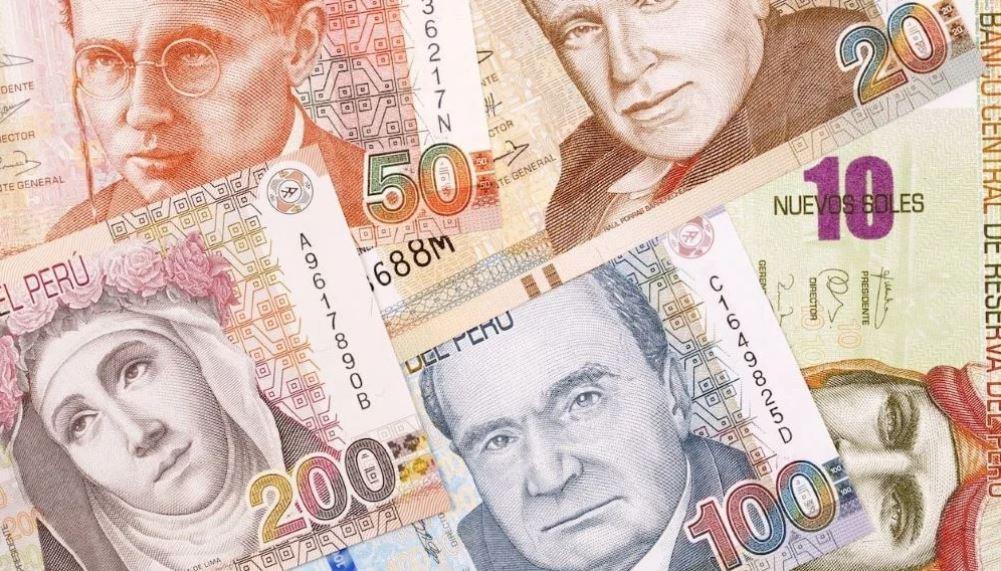
Everyday life in Peru runs on soles. You’ll need them for:
US dollars are useful mainly for exchange. They’re accepted at currency offices in most tourist areas, though airport rates are often worse than those in town.
You don’t need to carry large sums — just enough to cover daily needs. With a balanced plan, a mix of cash and cards works well and keeps you comfortable.
Yape: Very Popular, But Not for Tourists
Yape is a local mobile payment app you’ll see everywhere — in taxis, cafés, small shops, even markets. People use it constantly, often via QR code.
But here’s the catch:
Yape is linked to Peruvian bank accounts and phone numbers. For short-term visitors, it’s usually not an option.
This causes confusion. Tourists see a QR code, try to pay, and realize it doesn’t work for them.
In conversations, this comes up often:
“Can I pay with Yape?”
“No, only cash.”
This doesn’t mean paying is hard. It just means that cash remains essential for travelers — even when locals use Yape for almost everything.
A Common Mistake: Solving Money Too Late
One of the easiest ways to feel stressed abroad is trying to figure out money in the moment, without understanding local limitations.
Typical problems include:
These aren’t emergencies — but they usually happen when you’re tired, in transit, or trying to enjoy your day.
Why Planning Your Money Means Peace of Mind
Money issues don’t often ruin a trip. But they quietly drain energy. Instead of focusing on what’s in front of you, you’re thinking about machines, limits, fees, backups.
When your money setup is planned in advance, it stops being a topic.
You pay, move on, and stay present.
At Peruvisit, we always explain:
That way, money never becomes a source of tension — and your attention stays where it belongs: on the experience.
Plan Your Trip To Peru:
Part 1: Pack for Three Climates
Part 2: Which Tickets to Book in Advance (and Which Not To)
Part 3: Why Your First City Matters More Than You Think
Part 4: What to Pack (and Why “Just in Case” Backfires)
Part 5: Weather in Peru (Why One Forecast Isn’t Enough)
Part 6: Money in Peru (What Works, What Doesn’t, and Why Improvising Is Risky)
Part 7: Mobile Connection in Peru (Which Operator Works, and Where)
Part 8: Health & Altitude (What Actually Helps, What Doesn’t)
Part 9: Safety in Peru (What Actually Matters, What’s Mostly Noise)
Part 10: How To Make Your Trip Feel Effortless
Get in touch, and we’ll help you plan the adventure of a lifetime!
