
Book a Tour
Ready to experience the wonders of Peru? Get in touch, and we’ll help you plan the adventure of a lifetime!
Ready to experience the wonders of Peru? Get in touch, and we’ll help you plan the adventure of a lifetime!

Email Consent Notice
By checking the box, you consent to PeruVisit.com collecting and processing your email address for the purpose of sending newsletters, promotional offers, and information about tours in Peru.
You acknowledge and understand that:
For full details on how we manage personal data, please refer to our Privacy Policy.

Mobile coverage in Peru exists in most places. That’s not the real issue.
What matters more is how stable and usable the signal is — especially once you leave Lima or Cusco. This is where expectations and reality often drift apart.
Travelers land assuming mobile internet will “just work,” like it does back home. But Peru’s terrain, infrastructure, and operator networks vary widely. Understanding this in advance saves time, avoids frustration, and helps your trip flow more smoothly.
All major operators work well in cities. The differences only become clear when you head into the mountains, valleys, or rural towns.
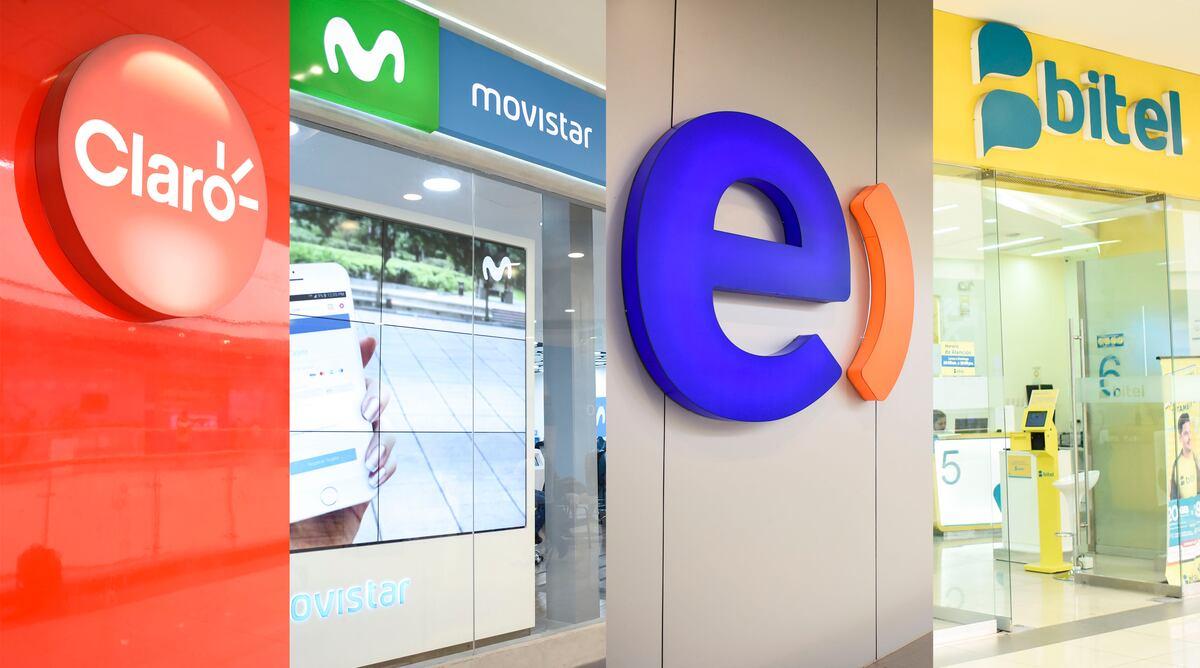
Often overlooked, Bitel has quietly become one of the most reliable options for travel outside major cities. It performs particularly well in:
This is largely due to how Bitel built its network — prioritizing rural coverage and using signal types that handle mountainous terrain better.
Travelers often tell us:
“Everyone had signal in Lima, but only Bitel worked in the valley.”
The trade-off? Bitel’s speeds in Lima can be slower, and support is usually Spanish-only. But for trips that include time outside the city, it’s one of the strongest options.
Claro works well in:
It’s easy to find, simple to set up, and stable in urban areas. For travelers staying mostly in city hotels or well-known destinations, Claro is a comfortable choice.
In more remote regions, however, signal tends to disappear sooner than with Bitel.
Movistar performs well in central Lima and other major cities. Outside them, though, coverage becomes inconsistent.
You might have signal in one town, then lose it 20 minutes later on the road. If your route is classic and urban, Movistar is fine. For anything more remote, there are better options.
Entel offers good speeds and fair pricing. It’s a practical option for trips focused on:
But Entel’s signal tends to drop faster in remote areas. If your itinerary includes long drives or smaller towns, it’s worth considering Bitel instead.
There’s a regulation many travelers miss:
If you insert a Peruvian SIM card into a phone purchased abroad, your phone’s IMEI must be registered with the local network. If it isn’t, your line could be blocked after a short time.
Many people think the warning message is a scam. It’s not.
To avoid issues:
Street-sold SIMs often cause problems later, especially when IMEI isn’t registered correctly.
eSIMs are a convenient option — especially in Lima or Cusco. They’re fast to activate and don’t require a visit to a store.
However, your eSIM will still rely on a local network. If it uses Claro or Movistar, coverage might drop outside urban areas. For trips with rural or mountainous routes, a physical SIM from Bitel or Claro is usually more dependable.
eSIM is about convenience, not coverage depth.
Many essential services in Peru communicate via WhatsApp — not email. Drivers, hotels, tour contacts, and support teams will often text you rather than call.
If your connection drops, communication drops with it.
Speed isn’t the priority — reliability is. A stable 3G signal that works in a remote area is more useful than a fast 5G network that disappears outside the city.
These simple steps protect your plans when signal is weak or disappears.
Mobile problems rarely ruin a trip outright — but they can quietly drain energy. Searching for signal, struggling to confirm a pick-up, or not receiving hotel info on time all chip away at your peace of mind.
When connection is planned in advance, it fades into the background — exactly where it should be.
At Peruvisit, we always match mobile options to your exact route. That way, you’re connected where it matters, without overspending or relying on guesswork.
Because a trip that runs smoothly is one you remember for all the right reasons.
Plan Your Trip To Peru:
Part 1: Pack for Three Climates
Part 2: Which Tickets to Book in Advance (and Which Not To)
Part 3: Why Your First City Matters More Than You Think
Part 4: What to Pack (and Why “Just in Case” Backfires)
Part 5: Weather in Peru (Why One Forecast Isn’t Enough)
Part 6: Money in Peru (What Works, What Doesn’t, and Why Improvising Is Risky)
Part 7: Mobile Connection in Peru (Which Operator Works, and Where)
Part 8: Health & Altitude (What Actually Helps, What Doesn’t)
Part 9: Safety in Peru (What Actually Matters, What’s Mostly Noise)
Part 10: How To Make Your Trip Feel Effortless
Get in touch, and we’ll help you plan the adventure of a lifetime!
