Book a Tour
Ready to experience the wonders of Peru? Get in touch, and we’ll help you plan the adventure of a lifetime!
Ready to experience the wonders of Peru? Get in touch, and we’ll help you plan the adventure of a lifetime!
Email Consent Notice
By checking the box, you consent to PeruVisit.com collecting and processing your email address for the purpose of sending newsletters, promotional offers, and information about tours in Peru.
You acknowledge and understand that:
For full details on how we manage personal data, please refer to our Privacy Policy.

Altitude is one of the first things people associate with Peru—and for good reason. Places like Cusco, the Sacred Valley, and Lake Titicaca sit high enough that your body will notice the change.
But how you feel at altitude depends less on luck, and more on how you plan. Many travelers either arrive overly anxious or completely unprepared. Ironically, both approaches lead to the same problem: discomfort that could have been avoided.
The reality is simpler—and calmer—than many online stories suggest.
Altitude means less oxygen. That’s all. Your body simply needs time to adjust.
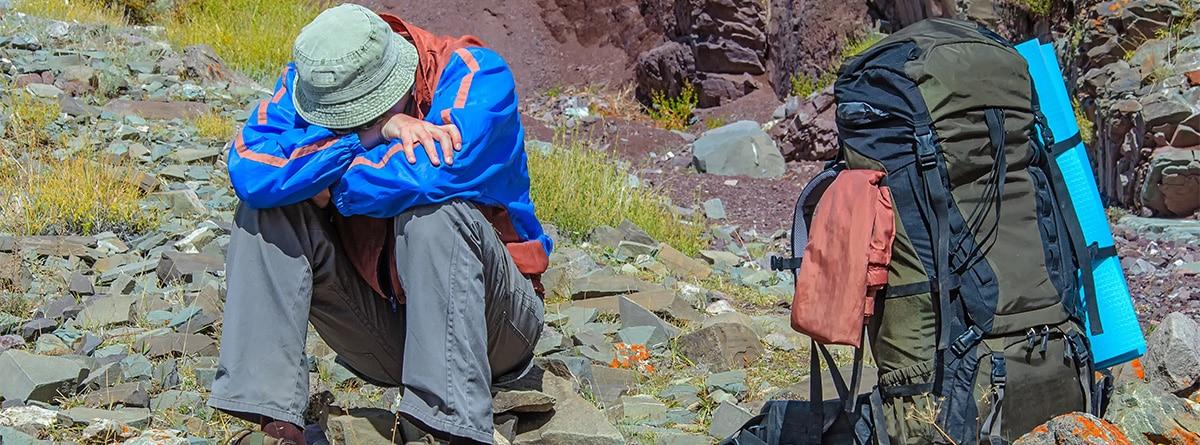
For some people, that adjustment is easy. For others, it shows up as:
None of this means something is wrong. It just means your body is doing what it’s designed to do—adapting.
Where travelers run into trouble is not with altitude itself, but how quickly they move into it.
We often hear:
“I felt fine, and then suddenly I didn’t.”
“I thought I could push through, but I shouldn’t have.”
The biggest planning mistake is simple: landing in Peru on an overnight flight, then heading straight to Cusco.
Even if you’re healthy and fit, altitude right after a long flight is asking too much of the body. And it often turns the first day—or two—into something you just have to endure.
There’s a better way:
We recommend beginning in Lima, moving next to the Sacred Valley (which is lower than Cusco), and saving Cusco for later in the trip—once your body has had time to adapt.
This isn’t about being cautious. It’s about being comfortable.
Some advice really does make a difference:
But more than anything, what helps most is time. Let your body catch up. It knows what to do.
This is where we often hear:
“We booked too much for the first day.”
“I wish we had just taken it easy.”
Altitude isn’t something to fight. It’s something to respect. And when you do, it rarely becomes a problem.
Serious altitude sickness is rare on the classic tourist routes. If your symptoms are mild and improve with rest, that’s normal.
If they worsen quickly or don’t improve, descending helps immediately. That’s another reason the right route order matters—because it gives you options.
When altitude is part of your route planning—not an afterthought—it quietly stops being a source of stress.
Travelers walk more. Eat better. Sleep better. They stop monitoring how they feel and start paying attention to the place they’re in.
At Peruvisit, we always design routes with altitude in mind—not as a medical issue, but as part of travel comfort. We help you adjust without even noticing that it’s happening.
Because the best trips are the ones where everything feels effortless—even 3,000 meters above sea level.
Plan Your Trip To Peru:
Part 1: Pack for Three Climates
Part 2: Which Tickets to Book in Advance (and Which Not To)
Part 3: Why Your First City Matters More Than You Think
Part 4: What to Pack (and Why “Just in Case” Backfires)
Part 5: Weather in Peru (Why One Forecast Isn’t Enough)
Part 6: Money in Peru (What Works, What Doesn’t, and Why Improvising Is Risky)
Part 7: Mobile Connection in Peru (Which Operator Works, and Where)
Part 8: Health & Altitude (What Actually Helps, What Doesn’t)
Part 9: Safety in Peru (What Actually Matters, What’s Mostly Noise)
Part 10: How To Make Your Trip Feel Effortless
Get in touch, and we’ll help you plan the adventure of a lifetime!
