Book a Tour
Ready to experience the wonders of Peru? Get in touch, and we’ll help you plan the adventure of a lifetime!
Ready to experience the wonders of Peru? Get in touch, and we’ll help you plan the adventure of a lifetime!
Email Consent Notice
By checking the box, you consent to PeruVisit.com collecting and processing your email address for the purpose of sending newsletters, promotional offers, and information about tours in Peru.
You acknowledge and understand that:
For full details on how we manage personal data, please refer to our Privacy Policy.

Safety in Peru gets talked about a lot—often too much, and rarely with context. Some travelers arrive overly cautious, expecting constant threats. Others arrive overly relaxed, assuming “it’ll be fine.”
Neither mindset helps.
The truth sits in the middle. Peru is not dramatically dangerous. But it does require attention to specific, predictable things.
The most common belief? That safety in Peru is about luck. That you either run into problems… or you don’t.
In reality, safety is not random. It’s shaped by where you are, how you move, and how your trip is planned.
When travelers follow a basic structure—reliable transfers, well-located hotels, sensible timing—serious problems are rare.
When people wing it—especially in unfamiliar places—stress increases fast.
Most difficult or uncomfortable moments happen in predictable situations:
These aren’t dramatic choices. But they compound quickly.
We hear the same stories often:
“We landed late and decided to figure it out on the spot.”
“A driver approached us inside the terminal.”
These are the moments where things feel uncertain—and that’s when safety concerns appear.
What improves safety in Peru the most? Clarity.
When these simple things are in place, the country feels very different. Most travelers describe Peru as warm, calm, and easy to navigate.
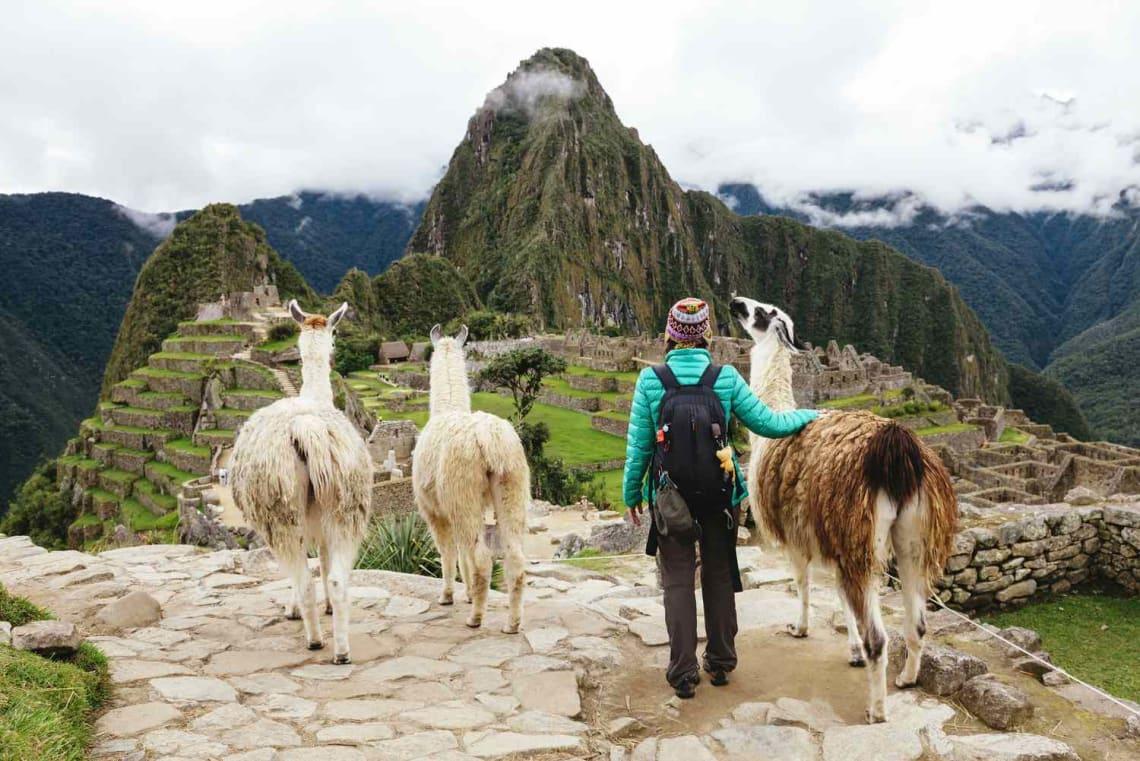
Peruvians are, in general, polite, helpful, and curious. Many will genuinely try to assist you.
What causes confusion isn’t behavior—it’s expectations.
Someone offering to help with your bag or give directions might expect a tip. This isn’t a scam. It’s just informal work in a tourism economy.
The challenge is knowing when something is help, and when it’s a hustle. Clear boundaries and polite “no thank you”s prevent awkward moments.
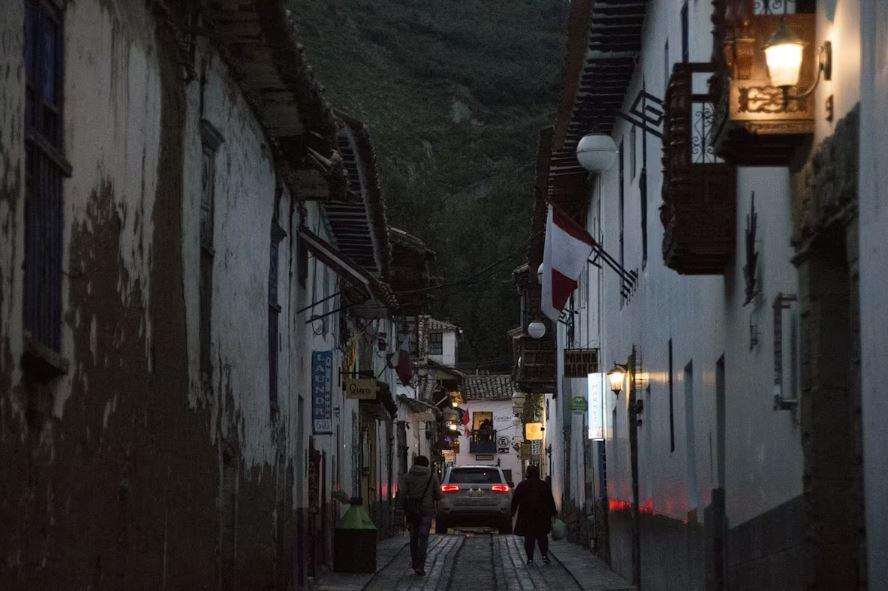
Talking about “safe cities” or “unsafe cities” misses the point. In Peru, as in most countries, safety depends on the neighborhood—not the destination.
Cities like Lima and Cusco have areas where you can walk freely, and areas where you shouldn’t be without purpose.
Staying in the right areas removes most safety concerns without any effort.
Most people don’t feel unsafe because of real threats—they feel unsafe because something is unclear.
They don’t know where they’re going, how they’re getting there, or what to expect when they arrive.
Once those details are solid, fear disappears. And what’s left is curiosity, connection, and confidence.
Traveling safely in Peru isn’t about being brave or overly cautious. It’s about removing guesswork from the parts of your trip that matter.
At Peruvisit, we always build safety into the structure—transfers, routes, neighborhoods—so that you never have to make important decisions under pressure.
The result? Peru feels like what it is: a friendly, vibrant, complex country that rewards attention—not fear.
Plan Your Trip To Peru:
Part 1: Pack for Three Climates
Part 2: Which Tickets to Book in Advance (and Which Not To)
Part 3: Why Your First City Matters More Than You Think
Part 4: What to Pack (and Why “Just in Case” Backfires)
Part 5: Weather in Peru (Why One Forecast Isn’t Enough)
Part 6: Money in Peru (What Works, What Doesn’t, and Why Improvising Is Risky)
Part 7: Mobile Connection in Peru (Which Operator Works, and Where)
Part 8: Health & Altitude (What Actually Helps, What Doesn’t)
Part 9: Safety in Peru (What Actually Matters, What’s Mostly Noise)
Part 10: How To Make Your Trip Feel Effortless
Get in touch, and we’ll help you plan the adventure of a lifetime!
